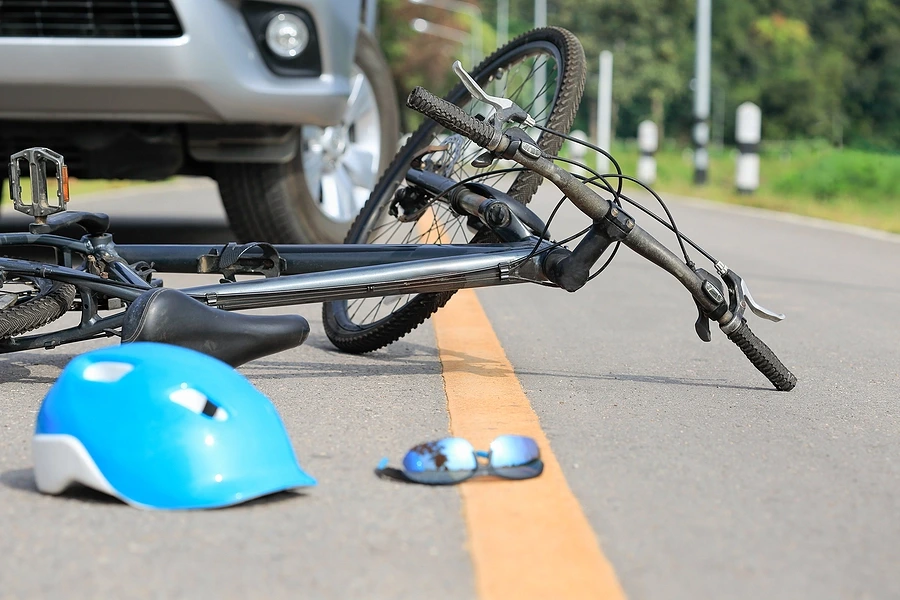
A traumatic brain injury can change the way a person thinks, feels, and moves through daily life. Motorcyclists and cyclists face a higher risk of these injuries because so little separates them from the pavement or a vehicle in a crash. Some brain injuries are obvious right away, while others reveal themselves slowly over days or weeks. Understanding how these injuries happen, how they are diagnosed, and how they are documented can help injured riders and their families make informed decisions. Brain injuries are among the most serious outcomes covered in discussions of serious motorcycle and bicycle injuries in Ohio. This post explains the basics in plain language for riders, cyclists, and the people who care for them.
How Crashes Cause Brain Injuries
A traumatic brain injury occurs when an outside force disrupts normal brain function. In a crash, that force may come from a direct blow or from sudden movement of the head. The severity of the injury can vary widely.
Concussions and Mild Brain Injuries
A concussion is often described as a mild traumatic brain injury. It can happen when the head strikes the ground or a vehicle, or when the head is jolted back and forth. A helmet can reduce the risk of some injuries, but it cannot prevent every concussion.
The word “mild” can be misleading. Many people recover within weeks, yet others experience symptoms for much longer. Headaches, trouble concentrating, and sensitivity to light can affect work, school, and family life.
Moderate and Severe Brain Injuries
More serious brain injuries may involve bleeding, bruising, or swelling of the brain. They often require hospital care and, in some cases, surgery. Recovery can involve months of rehabilitation, including physical, occupational, and speech therapy.
Moderate and severe injuries can lead to lasting changes in memory, speech, coordination, and emotional control. Some people need ongoing support with daily activities. The National Institute of Neurological Disorders and Stroke provides information about how these injuries affect the brain and the treatments available.
Why Symptoms May Be Delayed
One of the most challenging aspects of a brain injury is that symptoms may not appear right away. Adrenaline and other injuries can mask the signs at the scene. Knowing what to watch for can make a significant difference.
Signs That May Appear Later
Symptoms such as persistent headaches, dizziness, confusion, and fatigue may develop hours or days after a crash. Some people notice changes in mood, such as irritability or anxiety. Others have trouble sleeping or remembering recent events.
Family members and friends often notice these changes before the injured person does. A spouse may see that their partner seems more forgetful or easily frustrated. These observations can be valuable information for doctors.
Keeping a simple daily log of symptoms can help. Notes about headaches, sleep, mood, and memory lapses give doctors a clearer picture than a single office visit can provide. The same notes may later help show how the injury affected daily life.
The Importance of Prompt Evaluation
Anyone who strikes their head in a crash, or who experiences symptoms afterward, should seek medical evaluation. Doctors may use physical exams, cognitive tests, and imaging such as CT scans or MRIs. Some brain injuries do not appear on imaging, so a doctor’s assessment of symptoms is also important.
Early evaluation helps ensure that dangerous conditions, such as bleeding in the brain, are identified quickly. It also creates a medical record that connects the injury to the crash. Delays in seeking care can make that connection harder to show later.
Documenting a Brain Injury in an Injury Claim
Brain injuries can be harder to document than broken bones or visible wounds. A careful approach to records and evidence helps show the true impact of the injury. These steps are often part of the process.
Medical and Neuropsychological Testing
In addition to standard medical records, neuropsychological testing may measure memory, attention, problem solving, and other thinking skills. These tests can reveal changes that are not visible on scans. Results may help guide treatment and track recovery over time.
Treating physicians, therapists, and other qualified professionals may describe the injury and its expected course. Their records and opinions often carry significant weight in a claim. Consistent follow-up care helps create a clear medical history. Missed appointments or long gaps in treatment can give an insurer a reason to question how serious the injury really is.
Showing the Effects on Daily Life
A brain injury may affect a person’s ability to work, drive, manage finances, or maintain relationships. These changes may not appear in medical bills, but they are real losses. Journals, statements from family members, and employer records can help describe them.
Some people need accommodations at work or are unable to return to their previous job. Others need help at home with tasks they once handled easily. Documenting these changes helps present a complete picture of the harm caused by the crash.
Planning for Long-Term Needs
Serious brain injuries may require ongoing therapy, medication, and support for years. A claim may need to account for these future costs as well as past expenses. Input from treating providers can help estimate what care may be needed.
Ohio law limits certain noneconomic damages in many injury cases, but it provides exceptions for some permanent and severe injuries. Whether those exceptions apply depends on the medical evidence. Careful documentation is often essential in these cases, and it may take time for doctors to determine whether an injury is permanent.
Support After a Brain Injury
We understand that a brain injury affects not only the person who was hurt but also everyone who loves them. At OSP Motorcycle & Bicycle Accident Lawyers, we help riders and cyclists gather the medical evidence and records needed to show how a crash has changed their lives. Every injury is different, and we take the time to understand each person’s needs and goals. You can learn more about our Ohio motorcycle and bicycle injury lawyers on our website. When you are ready, we would be glad to talk with you during a free consultation and answer your questions about the road ahead.