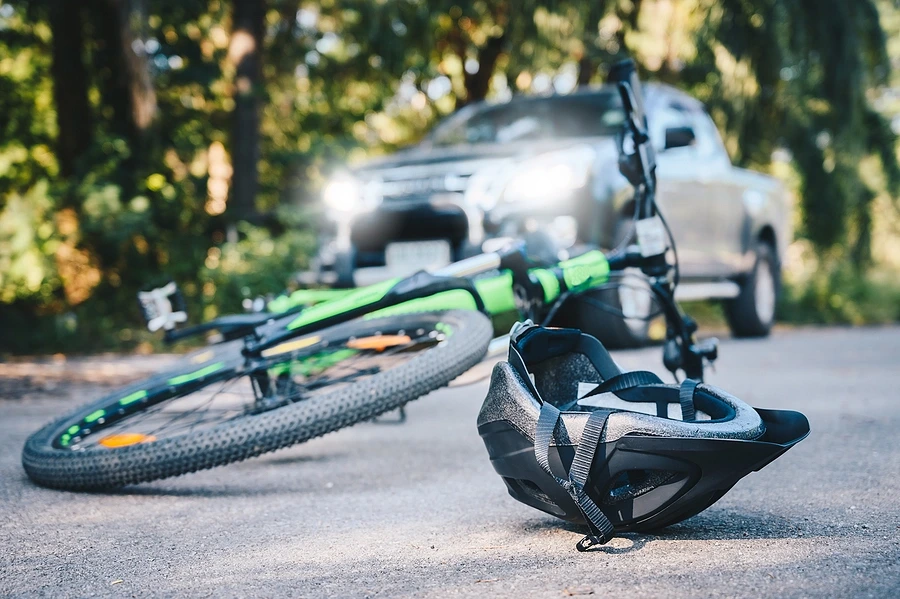
Being struck by a driver who speeds away adds a layer of shock and frustration to an already painful experience. Motorcyclists and cyclists are especially vulnerable in these situations, since they are more likely to be injured and less able to follow or identify the fleeing vehicle. Leaving the scene of an injury crash is a crime in Ohio, but that does not help a victim pay for medical care in the moment. The steps taken in the first hours and days can affect whether the driver is found and whether insurance coverage is available. Victims who want to understand their legal options can read more about hit-and-run motorcycle and bicycle accident claims in Ohio. This post focuses on the practical actions that matter most after a driver flees.
Immediate Actions at the Scene
The moments right after a hit-and-run are critical for both safety and evidence. A victim’s priority should always be getting help. Once that is underway, a few details can make a big difference.
Call 911 Right Away
Calling 911 brings emergency medical care and police to the scene. Telling the dispatcher that the driver left helps officers begin looking for the vehicle quickly. Police may be able to search the area or alert nearby patrols while the vehicle is still close.
Victims should not try to chase the fleeing vehicle. Pursuing a driver can lead to a second crash or worsen injuries. Staying at the scene and getting medical attention is the safer choice.
Remember Details About the Vehicle
Any information about the fleeing vehicle can help investigators. Useful details include the color, make, model, body style, and any visible damage. Even part of a license plate number can narrow the search significantly.
Writing these details down or recording a voice memo as soon as possible helps preserve them. Memory can fade quickly under stress. The direction the vehicle traveled and any distinctive features, such as stickers or roof racks, may also be useful.
Find Witnesses Before They Leave
Other drivers, pedestrians, and nearby workers may have seen the crash or the fleeing vehicle. Their names and phone numbers should be collected if possible. Witnesses often leave once help arrives, so asking early is important.
If the victim is too injured to gather this information, a bystander or responding officer may be able to help. Witness accounts can confirm that another vehicle caused the crash. That confirmation may matter later when seeking insurance coverage.
Steps to Take in the Following Days
Once the immediate emergency has passed, several follow-up steps can strengthen both the investigation and any claim. Acting promptly gives the best chance of success. These tasks are worth prioritizing.
Search for Video Footage
Homes, businesses, and traffic signals near the crash site may have cameras that captured the vehicle. Many systems record over their footage within days, so time is limited. Victims, family members, or their legal representatives can ask property owners to save any relevant recordings.
Riders and cyclists who use helmet or handlebar cameras should save their own footage right away. Fitness devices that track location and time can also help confirm when and where the crash occurred. This information can be shared with investigators.
Stay in Contact With Police
Keeping the report number and the investigating officer’s contact information makes follow-up easier. Victims should share any new details they learn, such as video or witness names. Regular contact helps keep the case active.
Under Ohio Revised Code Section 4549.02, drivers involved in a crash must stop and provide identifying information. A driver who fails to do so may face criminal charges. If charges are filed, the victim may be contacted about the criminal case.
Follow Up With Medical Care
Some victims skip follow-up care because they are unsure who will pay for it. Delaying treatment can harm recovery and make it harder to connect injuries to the crash. Health insurance or medical payments coverage may help cover visits while the claim develops.
Attending each appointment and following the provider’s advice creates a consistent medical record. Notes about pain, sleep, and daily limitations can also help describe the effects of the injury. These records become important whether the claim is made against the driver or against the victim’s own insurer.
Protecting Coverage and a Future Claim
Many hit-and-run drivers are never identified. In those cases, insurance coverage through the victim’s own policy may be the main source of recovery. Taking the right steps early helps protect that coverage.
Notify the Insurance Company Promptly
Many auto and motorcycle policies treat an unidentified driver as an uninsured motorist. That means uninsured motorist coverage may apply after a hit-and-run. Policies often require prompt notice to the insurer and a report to police.
Some policies, along with Ohio law, require independent evidence that another vehicle caused the crash. Witness statements and video can help meet that requirement. Cyclists should check whether their auto policy provides coverage when they are struck while riding.
Explore Other Sources of Help
Health insurance and medical payments coverage may help with treatment costs while the claim develops. In some situations, victims may also qualify for help through the crime victims compensation program administered by the Ohio Attorney General’s Office. That program generally considers other sources of payment first.
Keeping copies of medical bills, receipts, and records of missed work supports every type of claim. A clear record of losses helps insurers and agencies evaluate what assistance may be available. Ohio’s two-year deadline for most injury lawsuits also applies if the driver is later found.
Help After a Hit-and-Run
We know how unsettling it is to be hurt by someone who did not even stop to help. At OSP Motorcycle & Bicycle Accident Lawyers, we work with riders and cyclists to gather evidence, communicate with insurers, and pursue the coverage that may be available after a hit-and-run. You can learn more about our Ohio hit-and-run accident lawyers on our website. If you were injured by a driver who fled, we would be glad to talk with you during a free consultation and help you understand your next steps. There is no obligation, and we are ready to answer your questions today.