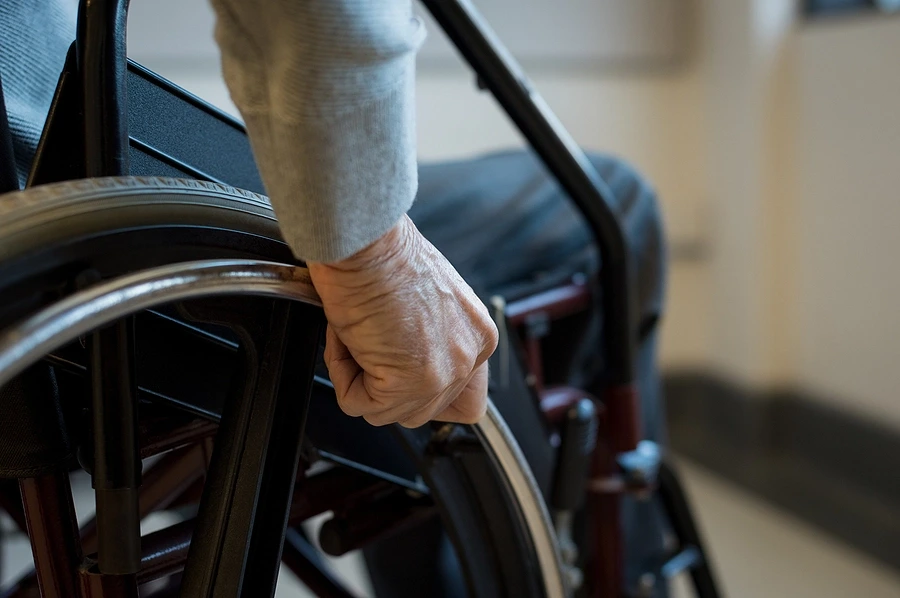
A spinal cord injury is among the most life-changing outcomes of a motorcycle or bicycle crash. Because riders have little protection, a fall or collision can place enormous force on the neck and back. Depending on the location and severity of the damage, a spinal cord injury may affect movement, sensation, and other body functions. Recovery often involves a long path of medical care, rehabilitation, and adjustment for both the injured person and their family. Understanding what to expect can help families prepare and make informed decisions. Spinal cord injuries are a major focus of claims involving serious motorcycle and bicycle injuries in Ohio. This post offers an overview of these injuries, the recovery process, and the resources that may help along the way.
Understanding Spinal Cord Injuries
The spinal cord carries signals between the brain and the rest of the body. When it is damaged, those signals may be interrupted below the point of injury. The effects depend on several factors.
Complete and Incomplete Injuries
Doctors often describe spinal cord injuries as complete or incomplete. A complete injury generally means there is no movement or sensation below the injury level. An incomplete injury means some movement or sensation remains.
The type of injury can influence the outlook for recovery. People with incomplete injuries may regain some function over time, though every case is different. Doctors usually monitor progress closely during the first months after the injury.
Why the Location of the Injury Matters
Injuries higher on the spine, such as in the neck, can affect more of the body than injuries lower in the back. A neck injury may affect the arms, hands, and breathing as well as the legs. A lower back injury may primarily affect the legs and certain body functions.
The National Institute of Neurological Disorders and Stroke provides information about how spinal cord injuries are classified and treated. Learning about the specific injury can help families understand what doctors are describing. It can also help them ask informed questions about care.
The Path of Recovery
Recovery from a spinal cord injury usually unfolds in stages. Each stage brings different goals and challenges. Knowing what lies ahead can make the process feel less overwhelming.
Hospital Care and Early Treatment
Immediate treatment focuses on stabilizing the spine and preventing further damage. This may involve surgery, medications, and close monitoring in a hospital. People with serious spinal injuries are often treated at trauma centers with experienced teams.
During this stage, families may receive a great deal of information in a short time. Keeping notes and asking questions can help them follow what is happening. Medical records from this period also become important documentation of the injury.
Rehabilitation and Therapy
After the initial hospital stay, many people move to an inpatient rehabilitation program. Physical therapy focuses on strength, mobility, and balance. Occupational therapy helps with everyday tasks such as dressing, cooking, and personal care.
Rehabilitation may continue on an outpatient basis for months or longer. Therapists also teach the use of equipment such as wheelchairs, braces, or other assistive devices. Progress can be gradual, and goals often change over time.
Emotional Health and Family Support
A spinal cord injury affects emotional well-being as well as physical health. Many people experience grief, frustration, or anxiety as they adjust to changes in their lives. Counseling and peer support groups can offer valuable help.
Family members often take on new caregiving roles, which can be demanding. Support for caregivers is just as important as support for the injured person. Respite care and community resources may ease some of this burden.
Adapting Home and Transportation
Returning home after a spinal cord injury may require changes to the living space. Ramps, wider doorways, accessible bathrooms, and lifts can help a person move safely and independently. Occupational therapists can often recommend specific changes based on the person’s needs.
Transportation may also need to be adapted. Some people use vehicles with hand controls or wheelchair lifts, while others rely on accessible transit services. Planning for these needs early can make the transition home smoother.
Building a Long-Term Plan
A spinal cord injury often requires planning for years into the future. Work, finances, and daily living may all need to be reconsidered. Several resources can help with this process.
Work and Financial Support
Some people with spinal cord injuries return to their previous jobs with accommodations, while others need to explore new kinds of work. Opportunities for Ohioans with Disabilities is a state agency that offers vocational rehabilitation services. These services may include job training, counseling, and help with workplace adaptations.
When a person cannot work, disability benefits may help with living expenses. The Social Security Administration administers federal disability programs for people who meet its requirements. Applying can take time, so starting early is often helpful.
Accounting for Lifelong Needs in a Claim
When another driver caused the crash, an injury claim may help address both past and future losses. These may include medical care, rehabilitation, equipment, home changes, lost income, and the effects of the injury on daily life. Careful documentation from treating providers is essential.
Ohio law limits certain noneconomic damages in many cases, but it provides exceptions for some permanent and severe injuries. Spinal cord injuries may fall within those exceptions depending on the medical evidence. Each case depends on its own facts, and it may take time for doctors to determine the long-term effects of the injury.
Support for the Road Ahead
We understand that a spinal cord injury changes nearly every part of life for the person who was hurt and for the people who love them. At OSP Motorcycle & Bicycle Accident Lawyers, we help riders, cyclists, and their families gather the evidence needed to show the full impact of these injuries and pursue the compensation the law may allow. You can learn more about our Ohio serious injury lawyers on our website. Whenever you are ready, we would be glad to talk with you during a free consultation and answer your questions. There is no obligation, and we will move at your pace.