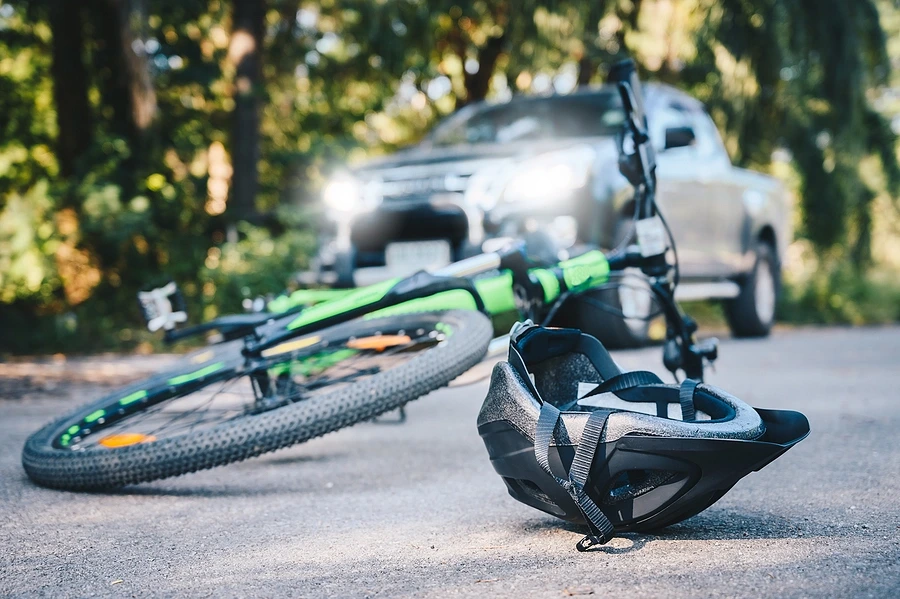
When a driver strikes a motorcyclist or cyclist and leaves the scene, the injured person often wonders whether the driver will ever be found. The answer depends largely on the police investigation that follows. Ohio law enforcement agencies treat leaving the scene of an injury crash as a serious offense, and investigators use a range of methods to identify fleeing drivers. Understanding how these investigations work can help victims set realistic expectations and contribute useful information. It can also help them understand how the investigation fits with any insurance claim. Victims who want to learn more about their legal options can read about Ohio hit-and-run motorcycle and bicycle accident claims. This post walks through the typical stages of a hit-and-run investigation and what victims can expect.
The First Response at the Scene
An investigation begins the moment officers arrive. Their initial work focuses on safety, medical care, and preserving evidence. Several tasks usually happen at once.
Which Agency Responds
The agency that investigates depends on where the crash happened. City police departments typically handle crashes within city limits, while county sheriffs often cover unincorporated areas. The Ohio State Highway Patrol frequently investigates crashes on interstates, state routes, and in many rural areas.
Knowing which agency responded helps victims follow up and request records later. The crash report number and the name of the investigating officer are important to keep. These details make it easier to share new information as it comes up.
Collecting Physical Evidence
Officers often collect debris left behind by the fleeing vehicle. Pieces of a headlight, mirror, grille, or trim can sometimes help identify the make and model. Paint transfer on the motorcycle or bicycle may also provide clues about the vehicle’s color.
Photographs of the scene record the position of debris, skid marks, and damage. These images help investigators reconstruct what happened and estimate where the vehicle was headed. They may also be useful later if the case goes to court.
Speaking With Witnesses
Witnesses may have seen the vehicle, its direction of travel, or part of its license plate. Officers try to gather this information before witnesses leave the scene. Even small details can narrow the search.
Witness accounts are sometimes inconsistent, especially when the crash happened quickly. Investigators compare statements to identify the most reliable details. Physical evidence and video can help confirm or correct what witnesses remember.
Follow-Up Investigation Techniques
After the scene is cleared, the investigation often continues for days or weeks. Officers use several methods to locate the driver. The resources available can vary from one agency to another.
Reviewing Video Footage
Investigators may check traffic cameras, business security systems, and home doorbell cameras near the crash site. Footage from along the likely escape route can sometimes show the vehicle’s plate or distinctive features. Because many systems overwrite recordings quickly, officers try to collect footage early.
Some agencies also have access to technology that reads license plates in certain locations. When available, this information can help confirm a vehicle’s movements. Victims who locate footage on their own should share it with the investigating officer.
Checking Repair Shops and Public Tips
A vehicle involved in a crash often has damage that needs repair. Investigators may contact local body shops and parts suppliers to ask about vehicles matching the description. Some drivers attempt to hide damage or delay repairs, which can make this step challenging.
Police may also ask the public for help through news outlets or social media. Tips from people who recognize a damaged vehicle or notice a change in someone’s behavior can lead to a breakthrough. Many solved cases begin with a single piece of information from the community.
How Long Investigations Can Take
Some hit-and-run cases are solved within hours, especially when a witness captures a plate number or the vehicle is found nearby. Others take weeks or months as investigators follow leads. A case may remain open for a long time without an arrest.
Victims can help by staying in touch with the investigating officer and sharing anything new they learn. Asking politely for updates is reasonable, though officers may not be able to share every detail. Patience and persistence often go hand in hand in these cases.
What Happens When a Driver Is Identified
When investigators find the driver, the case moves into a new stage. Criminal charges may follow, and the victim may have new options for compensation. Understanding these steps helps victims know what to expect.
Criminal Charges
Under Ohio Revised Code Section 4549.02, drivers involved in a crash must stop and provide identifying information. A driver who leaves the scene may face criminal charges, and the penalties can increase when someone is seriously hurt. Prosecutors decide which charges to file based on the evidence.
Victims may be contacted by prosecutors or victim advocates during the criminal case. They may be asked to provide information or attend hearings. The criminal case focuses on the driver’s conduct and possible punishment.
How the Investigation Affects a Claim
Once a driver is identified, the victim may be able to pursue a claim against that driver’s liability insurance. If the driver had no insurance, the victim’s own uninsured motorist coverage may still apply. Evidence gathered during the investigation can support either type of claim.
Some investigations take a long time, and some drivers are never found. Ohio’s two-year deadline for most injury lawsuits continues to run during the investigation. Victims should not wait for the case to close before exploring their insurance options.
Support While the Investigation Continues
We know how difficult it is to wait for answers after a hit-and-run, especially while you are recovering from injuries. At OSP Motorcycle & Bicycle Accident Lawyers, we work alongside riders and cyclists to gather evidence, communicate with insurers, and keep their claims moving while police search for the driver. You can learn more about our Ohio hit-and-run accident lawyers on our website. If you were hurt by a driver who fled, we would be glad to talk with you during a free consultation, answer your questions, and explain the options that may be available to you. There is no obligation to move forward.