When a motorcycle or bicycle crash causes a serious injury, the medical bills from the first weeks are often only the beginning. Surgery, rehabilitation, medication, equipment, and in-home help may continue for years. In many cases, a settlement or verdict is a one-time event, so any claim must account for those future costs before it is resolved. Estimating what someone will need years from now is not simple, and insurers often challenge those estimates. Understanding how future medical costs are calculated can help injured riders and their families prepare. These issues come up frequently in claims involving serious motorcycle and bicycle injuries in Ohio. This post explains the tools, evidence, and legal rules that shape these calculations.
Why Future Medical Costs Matter
An injury claim usually resolves all losses at once, including those that have not happened yet. If future needs are overlooked, the injured person may be left paying for them alone. That makes careful planning an important part of any serious injury claim.
The Problem With Settling Too Soon
Insurers sometimes make offers while a person is still in early treatment. At that stage, the full extent of the injury may not be known. Accepting an early offer may close the claim before future needs become clear.
Doctors often need time to determine whether an injury will improve, remain stable, or worsen. Waiting until a person reaches a point of maximum medical improvement can provide a clearer picture. Balancing this wait against filing deadlines requires thoughtful planning.
Types of Future Costs to Consider
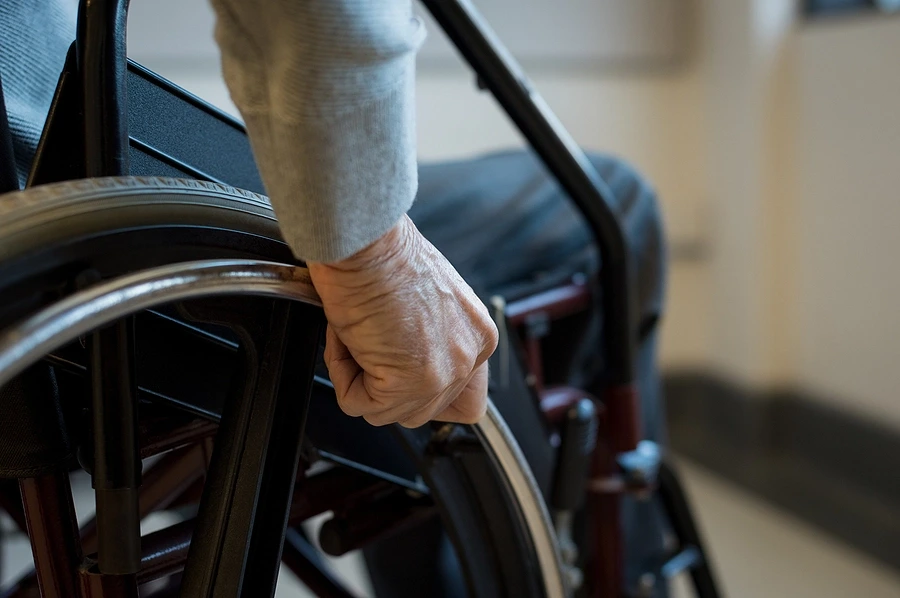
Future medical costs may include additional surgeries, physical and occupational therapy, prescription medications, and follow-up visits. Some people need medical equipment such as wheelchairs, braces, or mobility aids. Others require ongoing counseling or cognitive therapy after a brain injury.
Home modifications, such as ramps and accessible bathrooms, may also be necessary. In-home care or assistance with daily activities can be a major expense. Each of these costs should be identified and documented as part of the claim.
How Future Costs Are Estimated
Estimating future medical costs relies on evidence from several sources. Medical opinions form the foundation, and financial analysis builds on that foundation. These tools are commonly used.
Opinions From Treating Physicians
The doctors who treat an injured person are often in the best position to describe future needs. They can explain the likely course of recovery and the care that may be required. Their records and written opinions carry significant weight with insurers and courts.
Clear communication with treating providers helps ensure their records reflect the full picture. Notes about expected future procedures, permanent limitations, or ongoing therapy are especially useful. Consistent follow-up care also supports the reliability of these opinions.
Life Care Plans
In cases involving serious or permanent injuries, a life care plan may be prepared. A qualified professional, often with a background in nursing or rehabilitation, reviews the medical records and consults with treating providers. The plan outlines the care a person may need over their lifetime and estimates the associated costs.
A well-supported life care plan connects each recommended item to medical evidence. This connection helps show that the projected needs are reasonable rather than speculative. Insurers may hire their own professionals to review or challenge the plan.
Adjusting for Time and Cost Changes
Future costs must be translated into an amount that can be paid today. Economists or other financial professionals may adjust projections for expected changes in medical costs over time. They may also calculate the present value of those costs.
These calculations can be complex and are often disputed. Small changes in assumptions can lead to large differences in the final figure. Clear explanations help decision makers understand how the estimate was reached.
Input From Therapists and Other Providers
Physical therapists, occupational therapists, and other qualified professionals often see an injured person more frequently than physicians do. Their notes can show how a person functions day to day and which tasks remain difficult. These observations help explain why certain equipment, home changes, or ongoing therapy may be needed.
Occupational therapists may also evaluate a person’s home to recommend specific modifications. Contractors can then estimate the cost of those changes. Together, these records give concrete support to the projected expenses in a claim.
Legal Rules That Affect Recovery
Ohio law shapes how future medical costs are treated in a claim. Some rules limit certain types of damages, while others leave economic losses unrestricted. Understanding these rules helps set realistic expectations.
Economic and Noneconomic Damages
Future medical expenses are considered economic damages because they involve measurable financial losses. Under Ohio Revised Code Section 2315.18, Ohio limits noneconomic damages, such as pain and suffering, in many injury cases. Economic damages, including future medical costs, are not subject to those same limits.
The statute also provides exceptions to the noneconomic limits for certain permanent and severe injuries. Whether those exceptions apply depends on the medical evidence. Careful documentation of the injury’s long-term effects is important in either case.
Liens and Reimbursement
Health insurers, Medicaid, and Medicare may pay for treatment after a crash. These payers often have a right to be reimbursed from any later recovery. The amount owed can affect how much of a settlement is actually available for future care.
Identifying these liens early helps prevent surprises at the end of a claim. In some cases, the amount may be negotiated depending on the type of plan and the applicable rules. Planning for these obligations is part of protecting future medical needs.
Planning for the Care You Will Need
We understand that a serious injury raises worries not only about today but also about the years ahead. At OSP Motorcycle & Bicycle Accident Lawyers, we work with riders, cyclists, and their families to gather the medical evidence and planning tools needed to show the full cost of future care. You can learn more about our Ohio serious injury lawyers on our website. If you or someone you love is facing a long recovery, we would be glad to talk with you during a free consultation and answer your questions about what may be ahead. There is no obligation to move forward.