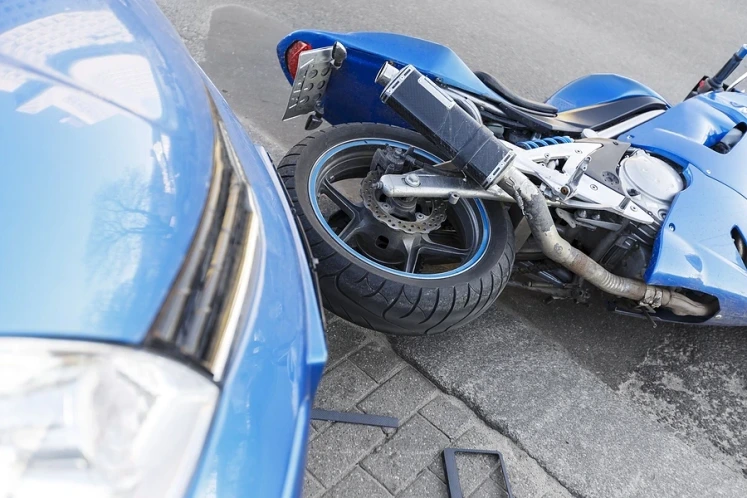
After a motorcycle crash, the question of who was at fault is rarely as simple as it seems. Even when another driver clearly made a mistake, insurers often look for ways to assign some blame to the rider. In Ohio, the way fault is divided can directly affect how much compensation an injured motorcyclist may recover, or whether recovery is possible at all. The state follows a system known as modified comparative fault, which balances the responsibility of everyone involved. Understanding this system helps riders see why evidence matters so much in their claims. Riders looking for a broader overview of their rights can read about Ohio motorcycle accident claims. This post explains how comparative fault works, the arguments insurers commonly raise, and how riders can respond.
How Ohio’s Comparative Fault Rule Works
Comparative fault allows responsibility to be shared among the people involved in a crash. Instead of an all-or-nothing approach, it assigns each party a percentage of fault. That percentage then shapes the outcome of the claim.
The Basic Rule
Under Ohio Revised Code Section 2315.33, an injured person may recover damages as long as their share of fault is not greater than the combined fault of the other parties. If the injured person is found more responsible than everyone else combined, they generally cannot recover. This approach is often called a modified comparative fault system.
The rule recognizes that crashes often involve mistakes by more than one person. It allows a rider who made a minor error to still seek compensation from a driver who made a larger one. At the same time, it prevents recovery when the rider bears most of the responsibility.
How Damages Are Reduced
When a rider can recover, the damages are reduced by the rider’s percentage of fault. For example, if a rider is found 20 percent responsible, the total damages would be reduced by 20 percent. The remaining amount may be recovered from the other responsible parties.
Because of this reduction, even small shifts in percentages can have a meaningful effect. An insurer that convinces a decision maker to raise the rider’s share of fault may significantly lower what it pays. That is why disputes over fault are so common in motorcycle claims.
Crashes With More Than One At-Fault Party
Some crashes involve several drivers or other parties who contributed to the collision. In those cases, each party is assigned a share of fault. The rider’s share is compared to the combined total of all the others.
Ohio law also contains rules about how payment responsibility is divided among multiple defendants. These rules can affect which party pays which portion of the damages, and they sometimes treat economic and noneconomic losses differently. The specific facts of each case determine how they apply.
Arguments Insurers Commonly Raise
Insurers often rely on familiar arguments to shift blame toward motorcyclists. Recognizing these arguments helps riders prepare to address them. Each one should be tested against the actual evidence.
Claims About Speed
One of the most frequent arguments is that the rider was traveling too fast. Insurers may claim that excessive speed prevented the rider from avoiding the crash. These claims are sometimes based on assumptions about motorcyclists rather than on evidence.
Physical evidence, such as skid marks, vehicle damage, and the final positions of the vehicles, can help estimate actual speed. Video footage and witness statements may also clarify how fast the rider was going. A reconstruction professional may be able to analyze this evidence in more detail.
Claims About Lane Position and Visibility
Insurers may argue that the rider was riding in a blind spot, weaving between lanes, or otherwise difficult to see. Drivers often say they never saw the motorcycle. Those statements may be used to suggest that the rider shares responsibility.
However, every driver has a duty to keep a proper lookout for all vehicles, including motorcycles. A driver’s failure to see a rider who was in plain view may actually support the rider’s claim. Evidence about sight lines and lighting can help show what the driver should have seen. The National Highway Traffic Safety Administration encourages drivers to check carefully for motorcycles, which reflects the shared responsibility to watch for riders.
How Riders Can Respond to Fault Arguments
Strong evidence is the best response to unfair fault arguments. The sooner it is gathered, the more useful it tends to be. These steps can help riders protect their claims.
Preserving Evidence Early
Photographs of the scene, the vehicles, and the road conditions can capture details that fade quickly. Contact information for witnesses should be collected as soon as possible. Requests for nearby video footage should be made before the recordings are deleted.
The damaged motorcycle and riding gear can also serve as evidence. Keeping them in their post-crash condition allows for later inspection. These items may help show the angle and force of the impact, which can support or contradict claims about how the crash happened.
Being Careful With Statements
Statements made after a crash can be used to assign fault. Apologizing, guessing about speed, or agreeing with an adjuster’s suggestions may later be presented as admissions. Riders are generally not required to give a recorded statement to the other driver’s insurer.
Sticking to basic facts and avoiding speculation helps protect a claim. Many riders choose to speak with a lawyer before discussing the details of a crash. This approach can help ensure that statements are accurate and complete.
Protecting Your Share of the Story
We know how frustrating it is when an insurer tries to blame a rider for a crash that someone else caused. At OSP Motorcycle & Bicycle Accident Lawyers, we gather the evidence needed to present an accurate account of each crash and respond to unfair fault arguments. Every case depends on its own facts, and we take the time to understand them fully. You can learn more about our Ohio motorcycle accident lawyers on our website. If you have questions about how fault may affect your claim, we would be glad to talk with you during a free consultation and answer your questions.