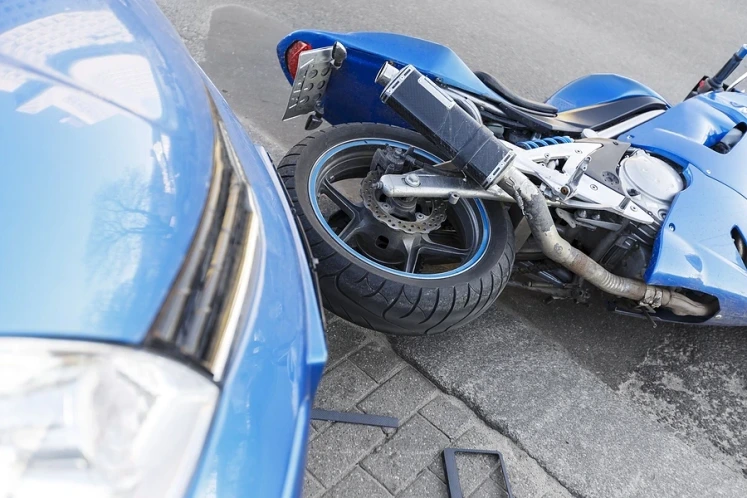
Riders sometimes take a motorcycle out before finishing the endorsement process, or they continue riding after a permit has expired. When a crash happens under those circumstances, many riders worry that the missing endorsement will prevent them from seeking compensation. Licensing status can become part of the conversation, but it does not automatically decide who was responsible for the collision. For riders throughout Akron and Summit County, understanding how motorcycle accident claims in Akron are evaluated may help reduce some of that uncertainty. This article explains what Ohio requires to operate a motorcycle legally, how a missing endorsement may be raised during a claim, and which insurance and traffic issues riders may want to consider before speaking with an adjuster.
What Ohio Requires to Operate a Motorcycle
Ohio treats motorcycle operation differently from driving a car. A standard driver’s license alone does not authorize someone to ride a two-wheeled motorcycle on public roads.
Endorsements and Temporary Permits
According to the Ohio Bureau of Motor Vehicles motorcycle licensing page, anyone who operates a motorcycle or motor scooter on public roadways must hold a valid motorcycle or motor scooter license or endorsement. New riders typically begin with a temporary instruction permit after passing a knowledge test and vision screening. They can then complete a skills test or an approved training course before obtaining the endorsement. Permit holders must follow restrictions that limit how and when they may ride.
Common Reasons Riders Lack an Endorsement
Riding without an endorsement is not always a deliberate choice. Some riders allow a temporary permit to expire while waiting to schedule a skills test, and others move to Ohio and do not realize their credentials need to be updated. Some people borrow a friend’s motorcycle for a short ride without thinking about licensing at all. Regardless of the reason, the situation may raise questions after a crash that are worth understanding in advance.
Does a Missing Endorsement Affect Fault?
The most common concern riders have is whether their licensing status will be treated as proof that they caused the crash. In many situations, the answer depends on the connection between the missing endorsement and what actually happened.
Licensing Status Versus the Cause of the Crash
Fault in a motorcycle crash claim generally turns on how each person behaved on the road. A driver who turns left into the path of an oncoming rider, runs a red light, or changes lanes without checking a blind spot may be responsible regardless of the rider’s licensing status. Lacking an endorsement does not, by itself, show that a rider was operating carelessly at the moment of impact. The key question is usually whether the rider’s conduct, rather than the paperwork, contributed to the collision.
How Inexperience Arguments May Be Raised
Insurers may still try to use a missing endorsement to suggest that a rider lacked training or skill. They might argue that a more experienced rider could have braked, swerved, or otherwise avoided the crash. Under Ohio’s contributory fault law, an injured person may recover damages as long as their share of fault is not greater than the combined fault of the others involved, although any award is reduced by that percentage. Evidence such as witness accounts, video, and crash reconstruction may help show how the collision actually occurred.
Insurance Questions for Riders Without an Endorsement
Licensing status may also affect the insurance side of a claim. Different policies may respond in different ways, so it helps to look at each potential source of coverage separately.
Reviewing Each Potential Source of Coverage
The at-fault driver’s liability coverage is generally designed to respond to that driver’s negligence, while the rider’s own policies may contain terms that address licensed operation. Looking at each policy separately can help identify which protections may realistically be available. The table below outlines several coverage sources and the questions that may arise for each one.
| Coverage Source | Questions That May Arise |
|---|---|
| At-fault driver’s liability policy | Whether the driver’s negligence caused the crash and the rider’s injuries |
| Rider’s motorcycle policy | Whether policy terms address operation without a valid endorsement |
| Uninsured or underinsured motorist coverage | Whether any policy conditions or exclusions apply to the rider |
| Health insurance | How medical bills are paid and whether reimbursement may be sought later |
Why Policy Language Matters
Every policy is different, and the specific wording often determines how a licensing issue is handled. Some policies may include exclusions or conditions that an insurer relies on, while others may not address the issue at all. Reading the declarations page and the full policy, rather than relying on a summary, can help clarify what protections may be available. An attorney can review the language and explain how it may apply to a particular crash.
Other Consequences Riders Should Understand
A missing endorsement can lead to issues outside the injury claim itself. Being aware of them may help riders make informed decisions in the weeks after a crash.
Traffic Citations and How They Are Handled
Officers who respond to a crash may issue a citation for operating without a valid endorsement. That citation is a separate matter from the civil claim, but how a rider responds to it may still have implications for the injury case. A rider who is considering how to resolve a citation may benefit from legal advice before entering a plea. Taking that step can help avoid unintended effects on the broader claim.
Completing the Endorsement Process
Once a rider has recovered enough to ride again, completing the endorsement process may help avoid similar issues in the future. Ohio offers rider training courses that can satisfy part of the endorsement requirements and help build skills for handling traffic. Training may also give riders added confidence when sharing the road with drivers who may not see them. Riders who are unsure about their current status can check with the Ohio Bureau of Motor Vehicles.
Moving Forward After an Unendorsed Motorcycle Crash
Riding without an endorsement can complicate a motorcycle claim, but it does not necessarily end a rider’s ability to seek compensation when a driver’s carelessness caused the crash. Fault, comparative negligence, and policy language may all influence how a claim moves forward. At OSP Motorcycle & Bicycle Accident Lawyers, we look at the full picture, including how the crash happened and what each policy says, so we can explain the options that may be available. Our team of Akron motorcycle accident lawyers is prepared to answer questions about licensing issues that riders often find confusing. If you were injured while riding without a valid endorsement, we encourage you to contact us for a free case review before speaking with an insurance adjuster.