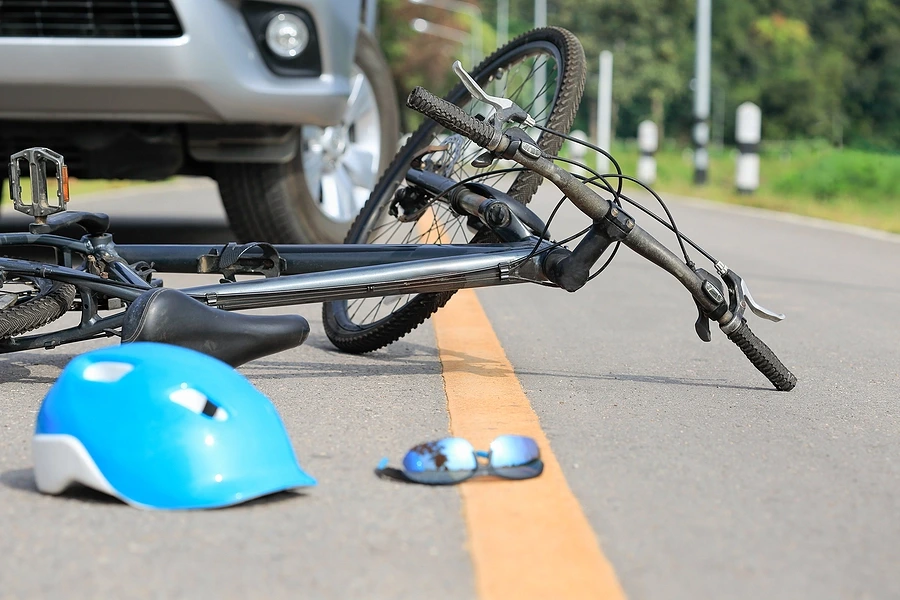
A right-hook crash happens when a driver turns right across the path of a cyclist traveling straight in the same direction. These collisions often occur at intersections, driveways, and parking lot entrances, and they can leave cyclists with fractures, head injuries, and long recoveries. Once the immediate shock passes, one of the first questions injured cyclists ask is who will pay for their medical bills and lost income. The answer depends on who caused the crash, what kind of vehicle was involved, and which insurance policies apply. Cyclists who want to understand their broader rights can learn about dooring and right-hook bicycle crash claims in Ohio. This post explains the most common sources of payment after a right-hook crash and the issues that can affect them.
Establishing That the Driver Was Responsible
Before any insurer pays, fault usually needs to be established. Ohio law sets clear expectations for drivers making right turns. Applying those rules to the facts is the first step in most claims.
The Driver’s Duty When Turning Right
Under Ohio Revised Code Section 4511.36, a driver making a right turn must approach and complete the turn as close as practicable to the right edge of the roadway. Drivers must also signal and turn only when it is safe. A cyclist traveling straight in a bike lane or along the right edge is part of the traffic the driver must account for.
When a driver turns across a cyclist’s path without checking mirrors or blind spots, the driver may be found negligent. Evidence such as video, witness statements, and damage patterns can help show what happened. The police report may also note the officer’s observations and any citations.
Common Driver Defenses
Drivers sometimes claim that the cyclist came up on the right too quickly or rode into the side of the vehicle. Insurers may argue that the cyclist should have anticipated the turn. These arguments are often aimed at assigning some fault to the cyclist.
Under Ohio’s comparative fault rules, a cyclist may still recover damages as long as their share of fault is not greater than that of the others involved. Any recovery would be reduced by the cyclist’s percentage of fault. Clear evidence about signals, timing, and position helps respond to these arguments. Video from nearby businesses or a helmet camera can be especially persuasive in showing who moved into whose path.
Insurance Policies That May Pay
Several insurance policies may provide coverage after a right-hook crash. Some apply because of who caused the crash, while others apply because of the cyclist’s own coverage. Identifying each one early helps avoid missed opportunities.
The Driver’s Liability Coverage
The at-fault driver’s auto liability policy is usually the first source of payment. It may cover medical expenses, lost wages, and other losses the cyclist suffered. The amount available depends on the policy’s limits.
Ohio’s minimum required liability limits may not be enough to cover serious injuries. When the at-fault policy falls short, other sources of coverage become important. Reviewing the limits early helps set realistic expectations and guides decisions about other coverage.
Commercial and Employer Coverage
Many right-hook crashes involve delivery trucks, box trucks, and other commercial vehicles that make wide right turns. When the driver was working at the time of the crash, the employer may share responsibility for the driver’s actions. Commercial policies often carry higher limits than personal policies.
Drivers who use personal vehicles for app-based delivery or ride services raise additional questions. Their personal policy may exclude coverage while they are working, and the company’s coverage may depend on what the driver was doing at the moment of the crash. Gathering information about the driver’s work status helps clarify which policy applies.
The Cyclist’s Own Auto Policy
Many cyclists do not realize that their own auto insurance may provide protection while they are riding. Medical payments coverage, if included, may help pay for treatment regardless of fault. Uninsured or underinsured motorist coverage may apply if the driver had no insurance or not enough.
Whether these coverages apply depends on the policy’s definitions and exclusions. The Ohio Department of Insurance provides consumer information that explains how different types of coverage work. Reading the full policy helps cyclists understand their protection.
Other Payment Sources and Considerations
Insurance claims often take time to resolve, while medical bills arrive quickly. Other sources may help in the meantime. Understanding how they fit together prevents surprises later.
Health Insurance and Reimbursement
Health insurance may cover medical treatment while the injury claim is pending. However, health insurers often have the right to be reimbursed from any later settlement. This repayment right is sometimes called a lien or subrogation interest.
The amount owed can affect how much of a settlement the cyclist actually keeps. In some cases, the amount may be negotiated depending on the type of plan. Identifying these obligations early helps with planning. Medicaid and Medicare may also have repayment rights when they cover treatment after a crash.
Property Damage and Deadlines
The cost of repairing or replacing a damaged bicycle, helmet, and gear may also be included in a claim. Receipts, photographs, and repair estimates help document these losses. Keeping the damaged items until they have been inspected preserves important evidence.
Ohio generally allows two years from the date of a crash to file a personal injury lawsuit. Insurance policies may have their own, shorter notice requirements. Acting promptly helps protect every available source of payment.
Sorting Out Coverage After a Right-Hook Crash
We know how stressful it is to face medical bills while trying to figure out which insurance company is responsible. At OSP Motorcycle & Bicycle Accident Lawyers, we help cyclists identify every policy that may apply and pursue the compensation the law may allow after a right-hook crash. You can learn more about our Ohio bicycle accident lawyers on our website. If you were hurt by a turning driver, we would be glad to talk with you during a free consultation and help you understand your options. There is no obligation, and we are ready to answer your questions about the road ahead.