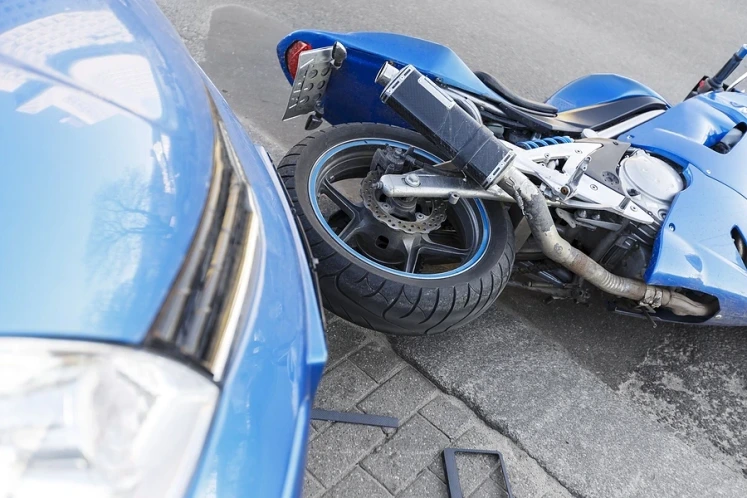
The moments after a motorcycle crash are often confusing and frightening. Riders may be hurt, shaken, and unsure what to do first. The choices made in the hours and days that follow can affect both physical recovery and any future injury claim. Ohio law sets out certain duties for everyone involved in a crash, and some practical steps can help protect a rider’s rights. Riders who want to understand how fault, insurance, and compensation work in these cases can learn more about Ohio motorcycle accident claims. The following guide walks through what to do at the scene, in the days after the crash, and over the longer course of a claim.
At the Scene of the Crash
Safety comes before everything else at a crash scene. Once immediate dangers are addressed, a few simple actions can preserve important information. These steps are worth taking if a rider is physically able to do so.
Get to Safety and Call for Help
If it is possible to move, a rider should get out of the path of traffic to avoid a second collision. Calling 911 brings police and emergency medical services to the scene. Even when injuries seem minor, paramedics can check for problems that are not immediately obvious.
Riders are often advised not to remove their helmet if they suspect a head or neck injury, unless it is necessary to breathe. Trained responders can remove it safely. Adrenaline can mask pain, so accepting a medical evaluation at the scene is often a wise choice.
Exchange Information and Document the Scene
Under Ohio Revised Code Section 4549.02, drivers involved in a crash on a public road must stop and provide their name, address, and vehicle registration information. Riders should also collect the other driver’s insurance details and the names and phone numbers of any witnesses. Police officers usually record much of this information as well.
Photographs can capture details that disappear quickly. Useful images include the position of the vehicles, damage to the motorcycle, skid marks, traffic signals, and road conditions. If a rider cannot take photos, a friend or family member may be able to return to the scene later. Nearby homes and businesses may also have cameras that recorded the collision, and their owners can be asked to save the footage.
In the Days After the Crash
The first few days after a crash are important for both health and documentation. Riders who act promptly are often in a better position later. These steps help create a clear record of what happened.
Get a Full Medical Evaluation
Some injuries, such as concussions, internal injuries, and soft tissue damage, may not cause noticeable symptoms right away. A full medical evaluation can identify these problems early. It also creates a record that links the injuries to the crash.
Following the treatment plan is just as important as the first visit. Gaps in care can give an insurance company a reason to argue that injuries were minor or caused by something else. Keeping appointments and noting symptoms in a journal can support both recovery and an accurate record.
Obtain the Crash Report
The police report is often the first official account of a crash. Depending on where the collision occurred, it may be prepared by a city police department, a county sheriff, or the Ohio State Highway Patrol. The report usually includes driver information, insurance details, witness names, and the officer’s observations.
Riders should review the report carefully for mistakes. Errors in vehicle positions, the direction of travel, or witness information are not unusual. If something is wrong, other evidence may help correct the record.
Be Careful When Speaking With Insurers
Most insurance policies require prompt notice of a crash, so riders should report it to their own insurer. However, an adjuster for the other driver may call and request a recorded statement. Riders are generally not required to give one to the other driver’s insurer.
Casual comments, such as saying “I’m fine” or guessing about speed, can later be used to reduce a claim. It is often wise to stick to basic facts and avoid speculation. Many riders choose to speak with a lawyer before discussing the details of their injuries.
Protecting a Claim Over Time
An injury claim can take months to develop. Steps taken during that time help ensure that important evidence and records remain available. These habits can make a meaningful difference.
Preserve the Motorcycle and Gear
The damaged motorcycle can show the angle and force of a collision. Repairing or selling it too soon may destroy valuable evidence. Riders should photograph the bike thoroughly and keep it in its damaged condition until it has been inspected.
Helmets, jackets, gloves, and boots can also help tell the story of the crash. Damage to protective gear may show where impacts occurred. Keeping these items stored safely helps preserve them for later review.
Track Expenses and Know the Deadline
Riders should keep medical bills, receipts for prescriptions, records of missed work, and repair estimates. A simple folder or spreadsheet can make this easier. These documents help show the full financial impact of the crash. Notes about daily limitations, such as trouble sleeping or difficulty lifting objects, can also help describe losses that bills do not capture.
Ohio generally allows two years from the date of a crash to file a personal injury lawsuit. Some situations, such as claims involving minors or government entities, may follow different rules. Learning about the applicable deadline early helps avoid losing the right to pursue compensation.
Getting Guidance After a Motorcycle Crash
We know how overwhelming the weeks after a motorcycle crash can be, especially when you are trying to heal while answering calls from insurers. At OSP Motorcycle & Bicycle Accident Lawyers, we help riders across the state understand their rights and the steps that may protect their claims. Every crash is different, and the right path depends on your injuries, the evidence, and the coverage involved. If you would like to learn more about how our Ohio motorcycle accident lawyers work with injured riders, we invite you to visit our website. When you are ready, we would be glad to talk through your situation during a free consultation and answer your questions.