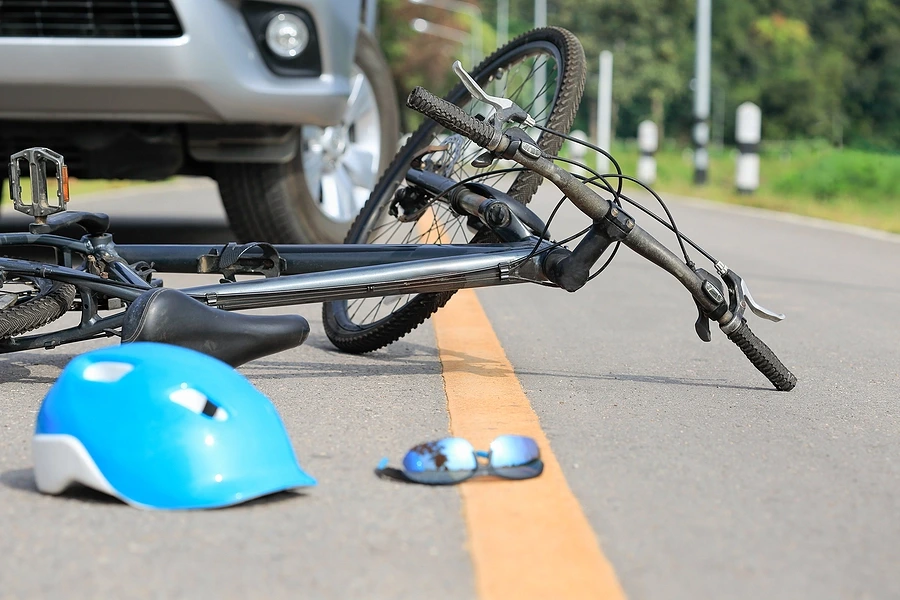
Few things give a cyclist less warning than a car door swinging open or a vehicle turning right across the bike’s path. These crashes can throw a rider to the pavement before there is any chance to brake. OSP Motorcycle & Bicycle Accident Lawyers helps cyclists who were hurt in these collisions understand who may be responsible and what their claim may include. If you are looking for an Ohio Dooring & Right-Hook Bicycle Crashes Lawyer, call 330-892-9117 to schedule a free consultation. On busy commercial streets such as High Street in Columbus, cyclists frequently ride beside rows of parked cars and constant turning traffic. Riders hurt in these situations may also benefit from reading about unsafe passing bicycle crashes, since close passes often force cyclists toward parked vehicles. We are ready to hear what happened.
How an Ohio Dooring & Right-Hook Bicycle Crashes Lawyer Approaches Your Case
Dooring and right-hook crashes involve specific traffic rules that drivers often overlook. Applying those rules to the facts is usually the key to establishing fault. The topics below explain how these claims are commonly evaluated.
Ohio’s Rule on Opening Vehicle Doors
Ohio law directly addresses dooring. Under Ohio Revised Code Section 4511.70, no one may open a vehicle door on the side next to moving traffic unless it is reasonably safe to do so and will not interfere with other traffic. The same section also prohibits leaving a door open on the traffic side longer than needed to load or unload passengers.
This rule places the responsibility on the person opening the door to check for approaching cyclists. A rider who was traveling lawfully alongside parked cars generally has no way to predict when a door will open. When someone violates this rule and causes a crash, the violation may serve as strong evidence of negligence.
Who May Be Responsible When a Door Opens
The person who opened the door is not always the driver. Passengers exiting a car, including people leaving a hired ride, may also open a door into a cyclist’s path. Responsibility may rest with the person who opened the door, the driver who stopped in an unsafe location, or both.
Insurance coverage can become complicated in these cases. The vehicle owner’s auto policy may cover a passenger’s actions in some situations, while other policies may apply depending on the circumstances. Identifying everyone involved and reviewing the relevant policies helps ensure that each possible source of recovery is considered.
How Right-Hook Crashes Happen
A right-hook crash occurs when a driver turns right across the path of a cyclist traveling straight in the same direction. Sometimes the driver passes the cyclist and then turns immediately in front of them. In other cases, a driver waiting at a light turns right without checking the bike lane or the space beside the car.
These crashes are especially common at intersections with bike lanes that run along the right side of the road. The cyclist may strike the side of the turning vehicle or be pushed into the curb. Because the driver often says they never saw the rider, evidence about mirrors, signals, and timing becomes important.
Turning Rules for Ohio Drivers
Under Ohio Revised Code Section 4511.36, a driver making a right turn must approach and complete the turn as close as practicable to the right curb or edge of the roadway. Drivers must also signal their intention to turn and may make the turn only when it can be done safely. A bicycle traveling in a bike lane or along the right edge is part of the traffic the driver must account for.
A driver who swings across a bike lane at the last second, or who turns without signaling, may be in violation of these requirements. Witness statements and video can help show whether the driver signaled and how the turn was made. These details may help establish that the driver failed to yield to the cyclist.
Riding Near Parked Cars and Turning Traffic
Street design and traffic patterns play a large role in dooring and right-hook crashes. Understanding these factors can help explain why a crash occurred and who should have acted differently. Here are the conditions that most often contribute to these collisions.
The Door Zone Along City Streets
The area beside parked cars where an opening door can reach is often called the door zone. Many painted bike lanes in Ohio cities are placed directly within this space. Cyclists who stay in these lanes, as many drivers expect them to, may be exposed to a sudden door with nowhere to go.
Riders sometimes move farther left to avoid the door zone, and Ohio law recognizes that cyclists may leave the right edge to avoid hazards such as parked vehicles. A cyclist who chose either position may still have a valid claim. The focus remains on whether the person who opened the door checked for traffic first.
Bike Lanes That End at Intersections
Bike lanes often end or change shape as they approach an intersection. Some lanes shift to the left of a right-turn lane, while others disappear entirely and leave cyclists to merge with vehicles. These transitions create confusion about who should yield.
In neighborhoods such as Over-the-Rhine in Cincinnati, older street grids combine heavy turning traffic with limited space for separate lanes. Markings, signs, and signal phases at a specific intersection can affect how fault is assigned. Photographing the intersection soon after a crash helps preserve the conditions that existed at the time.
Curbside Loading and Passenger Drop-Offs
Vehicles that stop briefly at the curb to pick up or drop off passengers create frequent dooring risks. Drivers may pull over without warning, and passengers may open doors on the traffic side to exit quickly. Delivery drivers who double-park can also force cyclists into traffic or into the path of an opening door.
These stops often happen near restaurants, entertainment districts, and university campuses. Areas around Ohio State University in Columbus, for example, see heavy volumes of both cyclists and curbside stops. When a stop contributes to a crash, the driver’s choice of where and how to stop may become part of the claim.
Evidence to Gather After a Dooring or Right-Hook Crash
Prompt evidence collection is important in both types of crashes. The names and contact information of the driver, any passengers, and witnesses should be recorded if possible. Photographs of the vehicle, the door, the bicycle, and the surrounding street can help show how the collision happened.
Businesses along urban streets frequently have security cameras that may have captured the crash. That footage is often overwritten within days, so requests should be made quickly. A police report created at the scene can also provide an official record of the parties involved and the initial observations of the responding officer.
Speak With an Ohio Dooring & Right-Hook Bicycle Crashes Lawyer
At OSP Motorcycle & Bicycle Accident Lawyers, we understand how unfair it feels to be hurt by a door or a turn you never saw coming. As Ohio dooring and right-hook bicycle crashes attorneys, we take time to review the evidence and explain how the law applies to your situation. Whether your crash happened in a downtown Cleveland bike lane or on a busy street near a college campus, we can help you understand the options that may be available. Learn more about our Ohio bicycle crash lawyers on our website, then call 330-892-9117 to arrange your free consultation. We would be glad to talk with you.