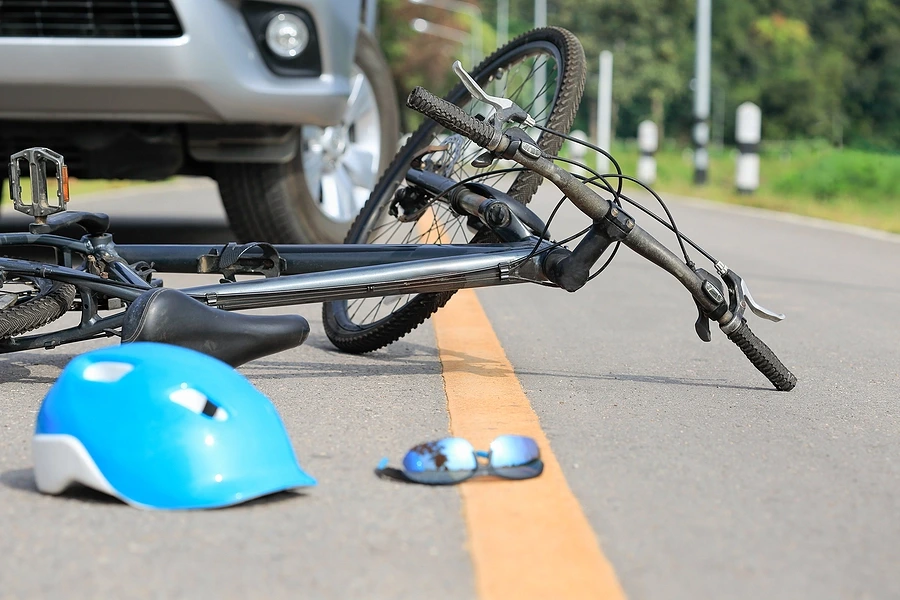
Cyclists have the same right to use Ohio roads as drivers, yet they have almost no protection when a vehicle strikes them. OSP Motorcycle & Bicycle Accident Lawyers represents people who were hurt while riding, commuting, or training, and we understand the questions that follow a collision. If you need an Ohio bicycle accident lawyer, call 330-892-9117 to arrange a free consultation about your situation. From commuters in downtown Columbus to touring riders on rural routes in Amish country, Ohio cyclists face a wide range of traffic conditions. Some of the most common collisions involve car doors and turning vehicles, which we cover in more detail on our page about dooring and right-hook bicycle crashes. Our goal is to help you understand where you stand and what steps may protect your claim.
Why Injured Cyclists Turn to an Ohio Bicycle Accident Lawyer
Bicycle claims raise issues that ordinary car crash claims often do not. Drivers and insurers sometimes start from the assumption that a cyclist did something wrong. The following areas explain how legal help may make a difference.
Understanding a Cyclist’s Legal Status
Ohio law treats a bicycle as a vehicle. That means a person riding a bicycle on a public road generally has the same rights as a motorist, along with the duty to follow traffic signals, signs, and lane rules. Drivers must yield to cyclists in the same situations where they would yield to another car.
This legal status matters when an insurer suggests that a cyclist had no business being on the road. A rider who was traveling lawfully is entitled to the same consideration as anyone else in traffic. Showing that you followed the rules of the road can be an important part of establishing that the driver was at fault for the crash.
Gathering Proof When a Driver Blames the Cyclist
After a collision, the driver is often the only person able to speak with police at the scene while the cyclist receives medical care. As a result, the first version of events in the crash report may reflect only the driver’s account. Correcting an inaccurate narrative usually requires independent evidence.
Helpful evidence may include footage from a helmet camera, data from a cycling computer or fitness app, and video from nearby homes or businesses. Witness contact information, photographs of the scene, and the condition of the bicycle itself can also tell part of the story. We work to collect this information before it is lost and use it to present a complete picture of what happened.
Sorting Out Insurance When You Were Not in a Car
Many cyclists are surprised to learn that their own auto insurance may apply to a bicycle crash. Depending on the policy language, uninsured or underinsured motorist coverage and medical payments coverage may extend to a policyholder who is struck while riding. Health insurance and the at-fault driver’s liability policy may also play a role.
Coordinating these policies can be confusing, and each insurer may have its own requirements for notice and documentation. Missing a reporting deadline in a policy can create problems later. We review the coverage that may be available and help you understand the order in which different policies may respond to your losses.
Valuing Injuries That Affect Daily Life
Bicycle crashes can cause fractures, head injuries, and damage to the shoulders and wrists when a rider is thrown to the pavement. These injuries may require surgery, physical therapy, and time away from work. For many riders, they also mean months without the activity that kept them healthy and connected to friends.
A fair evaluation of a claim considers both financial losses and the ways an injury changes everyday life. Medical bills and lost wages are often easier to measure than the loss of a favorite activity, but both may be relevant. Journals, statements from family members, and records from your treatment providers can help show the full effect of the crash on your routine.
Accounting for Damage to Your Bicycle and Gear
Road bikes, electric bikes, and touring setups can represent a substantial investment. A collision may bend a frame, crack carbon components, or ruin wheels that are expensive to replace. Helmets, clothing, lights, and electronic devices worn during the ride are often damaged as well.
Property damage is a legitimate part of a bicycle claim, and it deserves careful documentation. Keeping the damaged bicycle and gear in their post-crash condition, rather than repairing or discarding them, helps preserve evidence. Receipts, photographs, and a written estimate from a qualified bicycle mechanic can support the value of what was lost.
Traffic Rules Every Ohio Cyclist and Driver Should Know
Ohio has several laws that apply directly to bicycles and the drivers who share the road with them. These rules often become central to deciding who was at fault. Here are the provisions that come up most often in bicycle injury claims.
The Three-Foot Passing Requirement
Under Ohio Revised Code Section 4511.27, a driver passing a bicycle must leave a safe distance of at least three feet between the vehicle and the cyclist. This rule recognizes that a bicycle can be knocked off balance by a vehicle passing too closely, even without direct contact. The wind force from a large truck can be enough to push a rider off course.
When a driver violates this rule and causes a crash, the violation may serve as strong evidence of negligence. Drivers sometimes claim that the cyclist swerved into them, so evidence about lane position and passing distance is important. Video, witness statements, and the location of damage on the vehicle and bicycle may help establish how close the driver came.
Where Cyclists May Ride in the Lane
Ohio law generally asks cyclists to ride as near to the right side of the roadway as is practicable. The law also recognizes situations where moving farther left is reasonable, such as avoiding debris, parked cars, or a lane that is too narrow for a vehicle and a bicycle to share safely. Cyclists may also ride two abreast in a single lane under Ohio law.
Drivers who do not know these rules may become frustrated when a cyclist takes the lane. That frustration can lead to unsafe passing or aggressive behavior. Understanding the actual requirements helps show that a cyclist was riding lawfully and that the driver had a duty to wait until it was safe to pass.
Lights and Reflectors for Riding After Dark
Ohio requires bicycles operated at night to have a white light on the front and a red reflector and red light on the rear. These requirements help drivers see cyclists from a distance in low light. Riders who commute early in the morning or after work during the shorter winter days may spend much of their trip in darkness.
An insurer may argue that a cyclist without proper lighting was partly responsible for a crash at night. Whether that argument succeeds depends on the facts, including street lighting, the driver’s speed, and whether the driver was distracted. Even when lighting is an issue, a cyclist may still be able to recover damages under Ohio’s comparative fault rules.
Local Ordinances That Vary by City
State law sets the baseline for bicycle traffic, but cities and villages may adopt their own rules. Sidewalk riding is a common example, since some communities allow it in certain areas and prohibit it in others. Local rules may also address bike lanes, trails, and parking.
Knowing the ordinances in the community where a crash happened can affect how fault is assessed. A cyclist who was following local rules should not be penalized for riding in a place the city permits. We review the applicable state and local requirements so that every relevant rule is considered in your claim.
Where Bicycle Crashes Happen Across the State
Bicycle crashes occur in cities, suburbs, and rural areas, and each setting brings different risks. Recognizing where crashes tend to happen can help explain how a collision occurred. These are some of the settings that appear most often in the claims we review.
Trail Crossings and Shared Paths
Ohio has an extensive network of multiuse trails, including the Ohio to Erie Trail, which links Cincinnati, Columbus, and Cleveland through a series of connected paths. These trails offer separation from traffic for long stretches. However, the points where trails cross roads and driveways can be dangerous when drivers do not expect cyclists.
At a crossing, the right of way may depend on signs, signals, and markings at that specific location. Drivers who roll through a crossing without looking may strike a rider who had every reason to proceed. Photographs of the signage and sight lines at the crossing can be important evidence in these cases.
Rural Highways Without Paved Shoulders
Many rural state and county roads in Ohio have narrow lanes and little or no paved shoulder. Cyclists on these roads must share the lane with vehicles traveling at highway speeds. Hills and curves can limit how far ahead a driver can see a rider.
Drivers on rural roads have the same duty to pass safely and keep a proper lookout. When a driver crests a hill too quickly or passes on a blind curve, a cyclist may have nowhere to go. Crash reports in these areas are often prepared by county sheriffs or the Ohio State Highway Patrol, and reviewing those reports carefully is an important early step.
Busy Downtown Streets and Bike Lanes
City streets present a different set of risks. Delivery vehicles, ride-share pickups, and frequent turns all create conflict points with cyclists. Bike lanes help separate riders from traffic, but drivers may still cross them to park or turn without checking for cyclists.
Larger Ohio cities such as Cleveland and Cincinnati have expanded their bicycle networks, which has brought more riders onto busy streets. More riders can mean more interactions with drivers who are not used to sharing space. Video from traffic cameras and nearby buildings is often more available in urban areas and may help show how a crash unfolded.
Distracted Drivers and Excessive Speed
Distraction is a factor in many collisions involving cyclists. A driver who looks at a phone for only a few seconds may travel a long distance without seeing the road ahead. Speed makes the problem worse by reducing the time a driver has to react and increasing the force of any impact.
The National Highway Traffic Safety Administration provides safety guidance that encourages drivers to watch for cyclists and give them space. Phone records, witness accounts, and vehicle data may help show that a driver was distracted or speeding before a crash. That evidence can play a significant role in establishing liability.
Road Defects and Storm Drain Hazards
Not every bicycle crash involves another vehicle. Deep potholes, broken pavement, and storm drain grates with openings that run parallel to traffic can catch a narrow tire and throw a rider forward. Construction zones that leave uneven surfaces or loose gravel can create similar dangers.
When a road defect causes a crash, the responsible party may be a city, county, state agency, or private contractor. Ohio law provides certain protections for government entities, but it also allows claims in some situations involving the failure to keep public roads in repair. These claims can be complex, so photographing the hazard and seeking guidance promptly may be especially important.
Talk With an Ohio Bicycle Accident Lawyer About Your Case
At OSP Motorcycle & Bicycle Accident Lawyers, we care about the cycling community and the people who are hurt while riding. Our Ohio bicycle accident attorneys take the time to learn how your crash happened and how your injuries have affected your life. Whether you were struck on a city street in Dayton or near a trail crossing in central Ohio, we can explain the options that may be available and the deadlines that may apply. To learn more about our Ohio bicycle accident lawyers and the clients we serve, visit our website, then call 330-892-9117 to schedule a free consultation. We would be glad to answer your questions and help you decide on your next step.